
Nasiriyah
Nasiriyah is a city in Iraq. It lies on the lower Euphrates River about 360 kilometres (220 miles) southeast of Baghdad, near the ruins of the ancient city of Ur. It is the capital of Dhi Qar Governorate. Its population in 2018 was about 558,000, making it the tenth largest city in Iraq. A diverse population of Muslims, Mandaeans and Jews lived there in the early 20th century. Today, its population is mostly Shia Muslims.
Nasiriyah was founded by the Muntafiq tribe in the late 19th century during the Ottoman era. Since then, it has become a major transportation hub. Nasiriyah is the centre of the date-growing region. The city's cottage industries include boat building, carpentry and silver making. The city's museum houses a large collection of Sumerian, Assyrian, Babylonian and Abbasid artifacts. The ruins of the ancient cities of Ur and Larsa are located nearby. The Euphrates River merges with the Tigris River for the final time about 10 kilometres from the city. Ziggurat of Ur in Nasiriyah
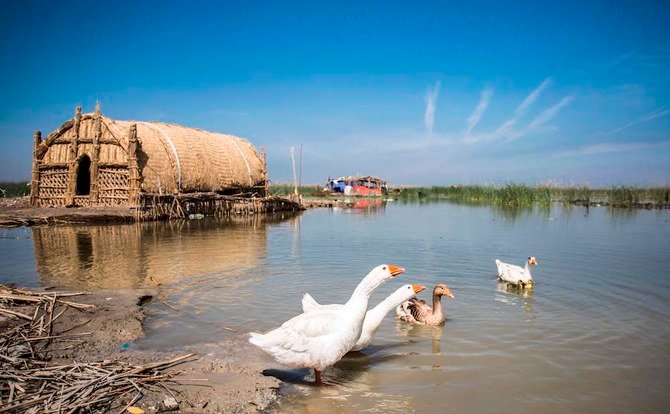
Al-Chibayish Marshes in Nasiriyah
The city was named after its founder, Nasser Pasha Al-Saadoun, which is the current name.
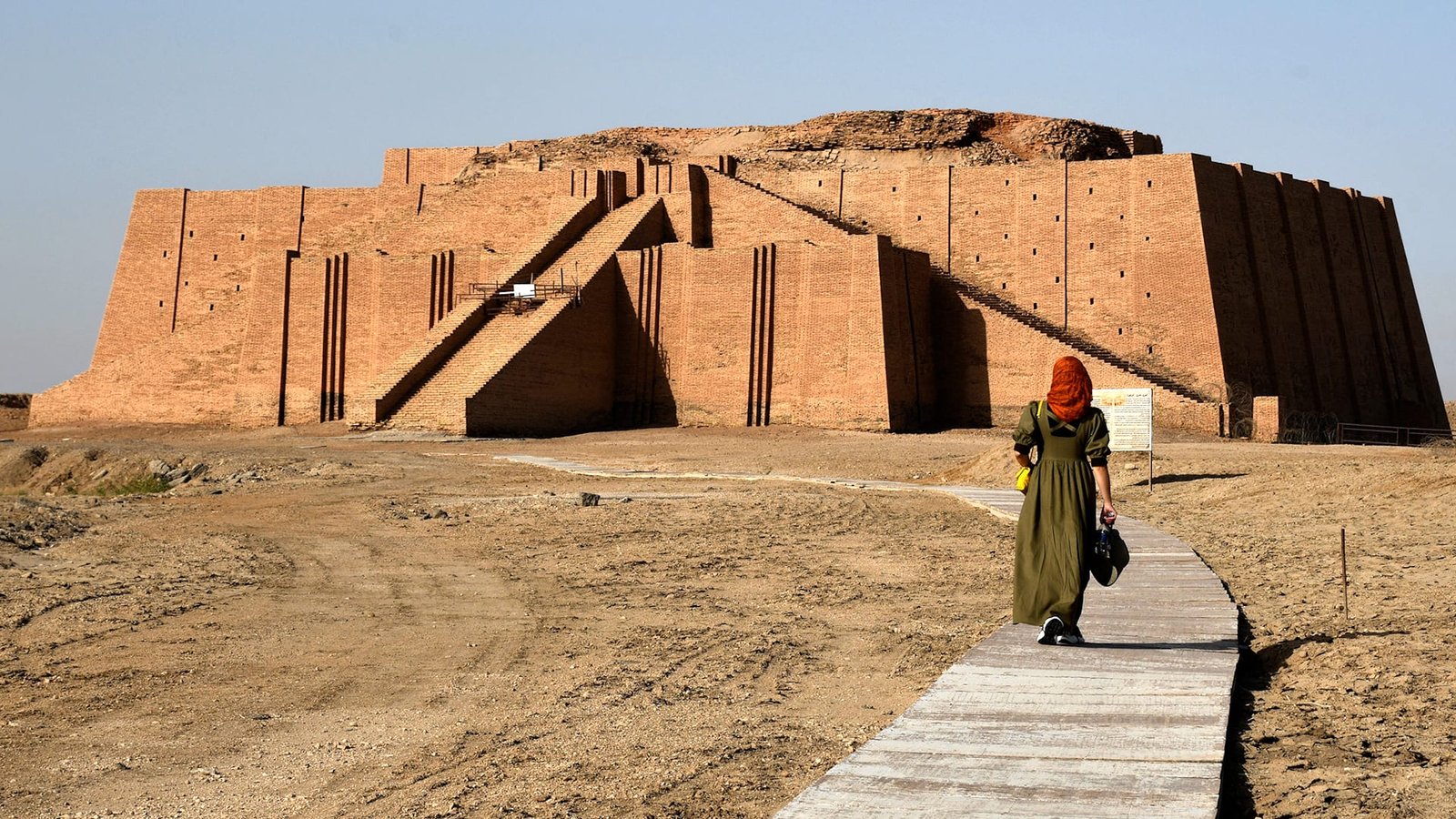
The remains of the city of Ur and the Ziggurat of Ur are clearly visible in the background.
Ziggurat of Ur
The city of Nasiriyah, known by its historical name Ur, is famous as the capital of the Sumerian Kingdom. The city became the first civilization to be established in the world, dating back to before the Ubaid civilization 7000 BC, as it included the first city in history, the city of Eridu, which was mentioned in the Sumerian King List. On its land, the Sumerian civilization was established in the kingdoms of (Ur, Lagash, Uruk). The Prophet Abraham was born in it, the remains of which still exist in the city, and next to it is the House of Abraham. It formed an important part of the civilizations (Akkadian, Babylonian and Assyrian), and was an important source of national wealth for those empires, for its important agricultural crops and fish at the time. It also represented the religious history of the Mesopotamian civilization that followed the city of Nippur. The importance of the city of Ur declined during the successive eras of the Babylonian, Assyrian, Persian and Greek civilizations. During the Persian era in 609 AD, the Dhi Qar region, known today as Nasiriyah, witnessed a battle between the Arab and Persian tribes in which the Arabs defeated the Persians.

Explore the place

The City Maps
Trip Ideas
FEATURED ARTICLE
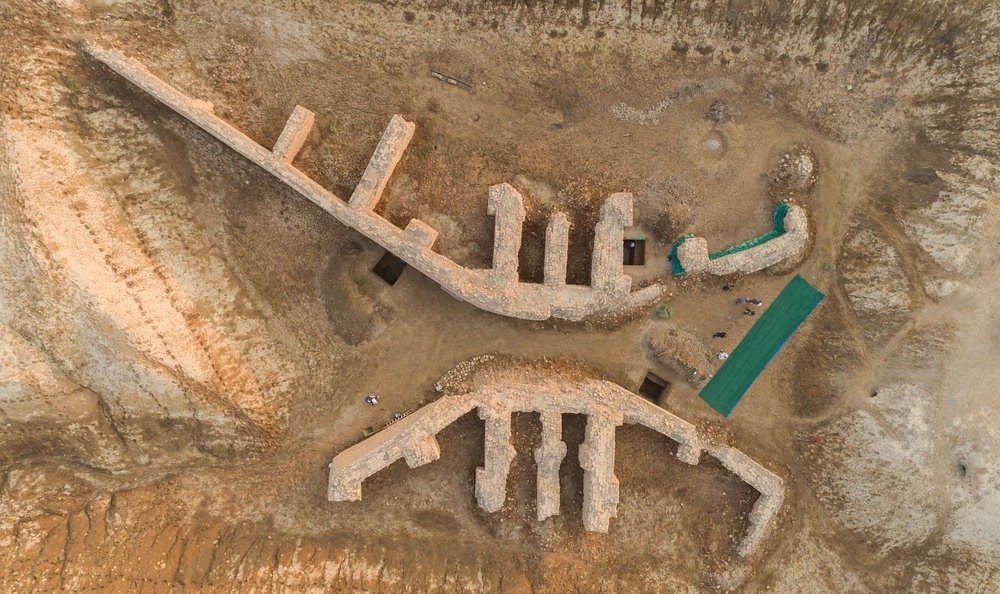
Ancient City of Girsu:
Ancient City of Girsu: One of the greatest cities of ancient Sumer and an important religious center dedicated to the god Ningirsu. Recent archaeological discoveries have revealed temples, administrative buildings, and thousands of cuneiform tablets that shed light on the origins of urban civilization.
FEATURED ARTICLE
Chibayish Marshes
Chibayish Marshes: Part of the UNESCO World Heritage-listed Iraqi Marshes, famous for their waterways, traditional reed houses, rich biodiversity, and the unique culture of the Marsh Arabs.
FEATURED ARTICLE
Ancient City of Ur
Ancient City of Ur: One of the world's oldest cities and the traditional birthplace of the Prophet Abraham. It is home to the magnificent Ziggurat of Ur, royal tombs, and remarkable Sumerian archaeological remains.
FEATURED ARTICLE
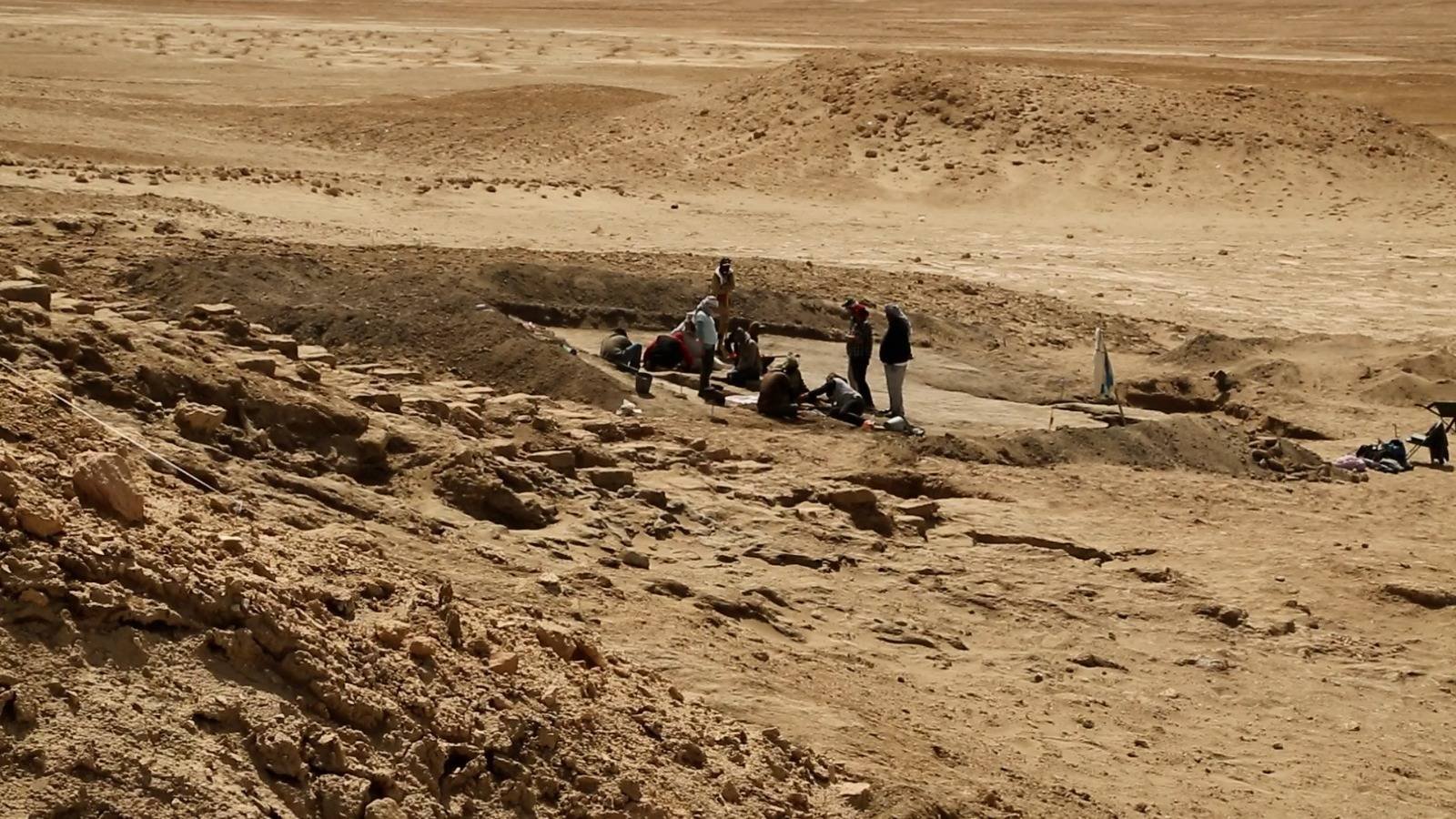
Ancient City of Eridu
Ancient City of Eridu: Regarded as one of the oldest cities in human history and, according to Sumerian tradition, the first city ever established. It contains the remains of temples dedicated to the god Enki and is one of Iraq's most significant archaeological sites.
FEATURED ARTICLE
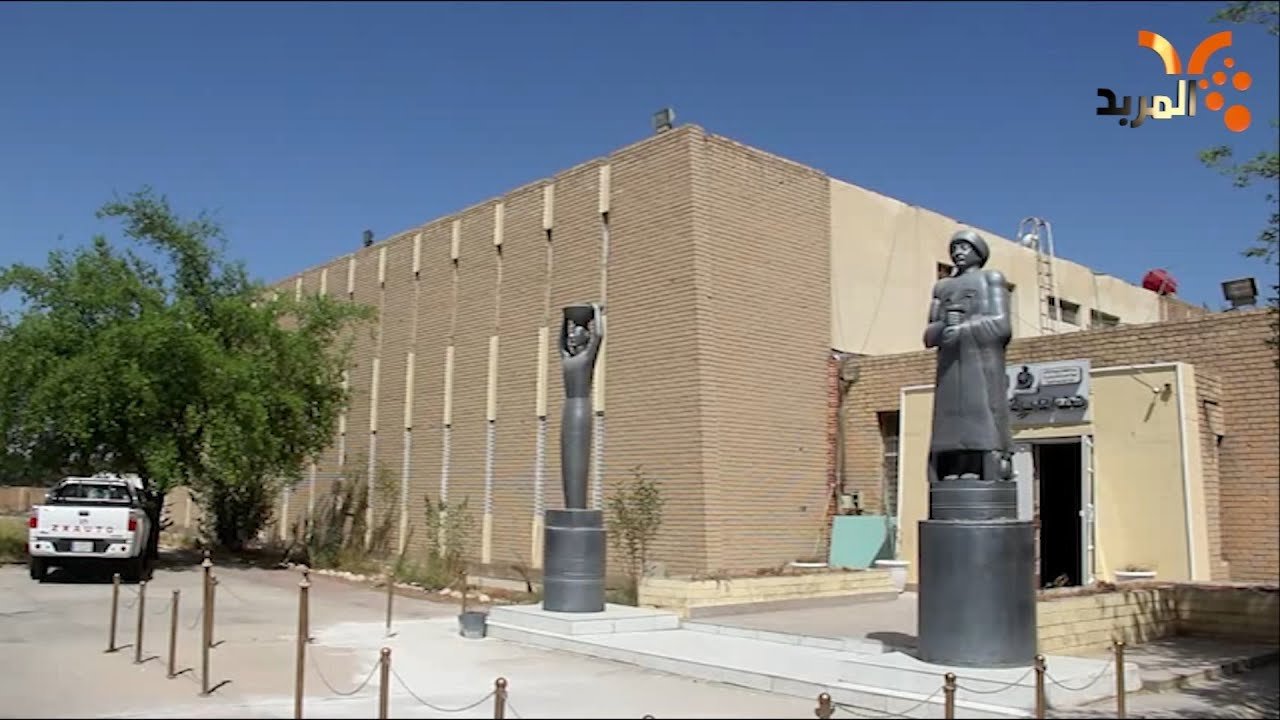
Nasiriyah Museum
Nasiriyah Museum: One of Iraq's leading archaeological museums, displaying thousands of artifacts from the Sumerian, Babylonian, Assyrian, and Islamic civilizations.
Get Updates & More
Thoughtful thoughts to your inbox
Copyright © 2025 by Iraqi Guide

